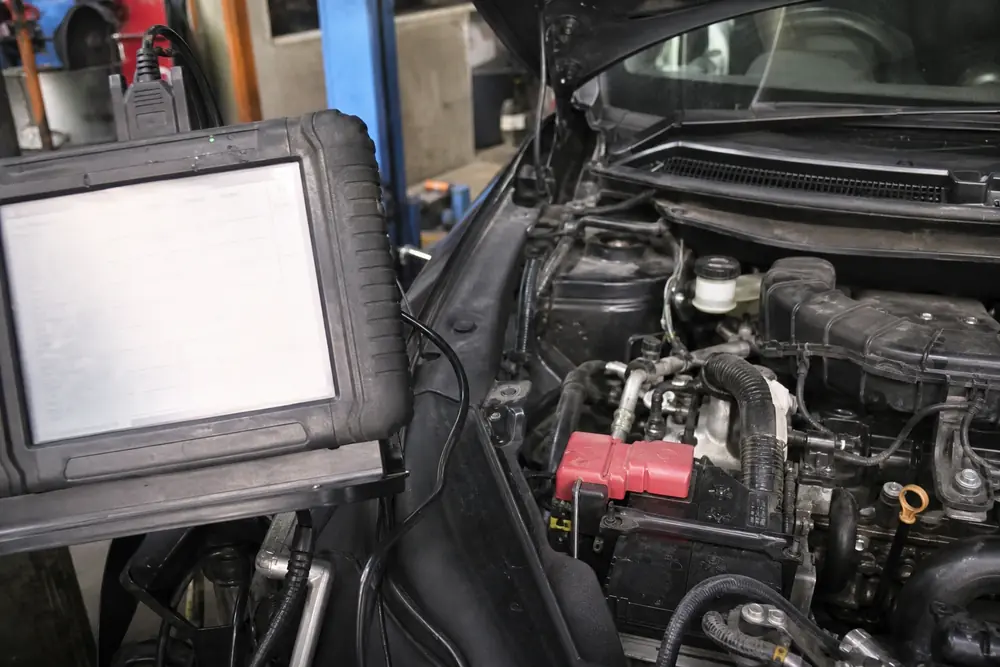

Finding the Actual Fault
Plugging in a scan tool and reading a code is the easy part. Working out whether that code is the fault or just a symptom of something further upstream is where the time goes, and it's the difference between fixing a car once and replacing parts until the light stays off. At Advanced Automotive Services, our vehicle diagnostics work starts with the codes, then moves to live data, wiring checks and component testing before anything is replaced. We trace electrical faults, drivability complaints, warning lights and intermittent problems across both petrol and diesel vehicles. Where testing points at the injectors, we can move straight into injector testing and cleaning. Call (07) 4033 6418 to bring your vehicle to our Cairns workshop.
Faults We Trace
Diagnostic work covers anything where the cause isn't obvious from an inspection.
- Warning lights that keep returning. A light that comes back after being cleared has an underlying cause that hasn't been addressed. We treat the code as a starting point rather than an answer.
- Intermittent faults. Problems that only appear when hot, cold or over bumps are usually electrical connections. Recording live data while the fault occurs is often the only way to catch them.
- Drivability complaints. Hesitation, flat spots, stalling and poor fuel economy can all come from fuel, ignition, air or sensor faults. Testing narrows it down rather than guessing.
- Charging and starting problems. Slow cranking and flat batteries can trace back to the alternator, the starter or a current drain. Each is tested separately.
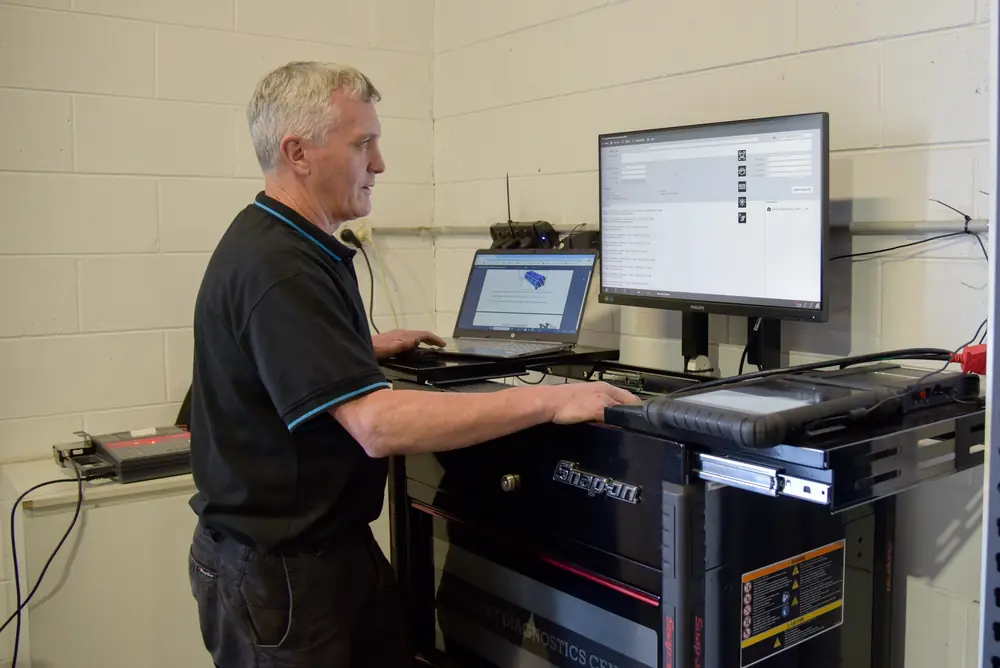
Frequently Asked Questions
It shows fault codes stored by the vehicle's control modules, plus live data from the sensors while the engine is running. The codes identify which circuit reported a problem, not which part has failed.
Because the code often reports a circuit reading outside its expected range, which can be caused by wiring, connectors or another component in that circuit. Replacing the named sensor doesn't help if it was reading correctly.
Often yes, because most modules store pending or historic codes along with freeze frame data from the moment the fault occurred. That snapshot helps narrow down the conditions that trigger it.