Restoring the Spray Pattern
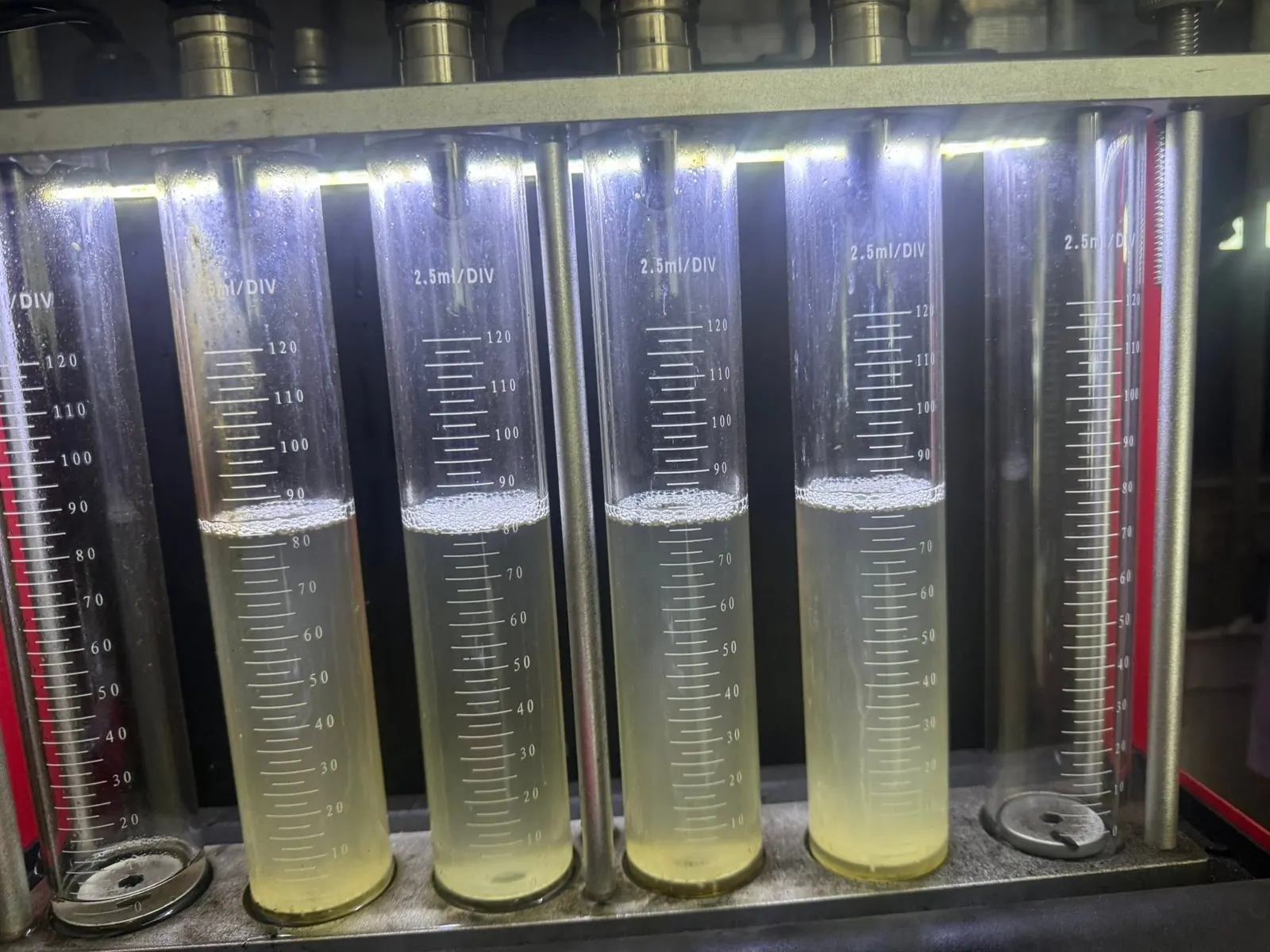
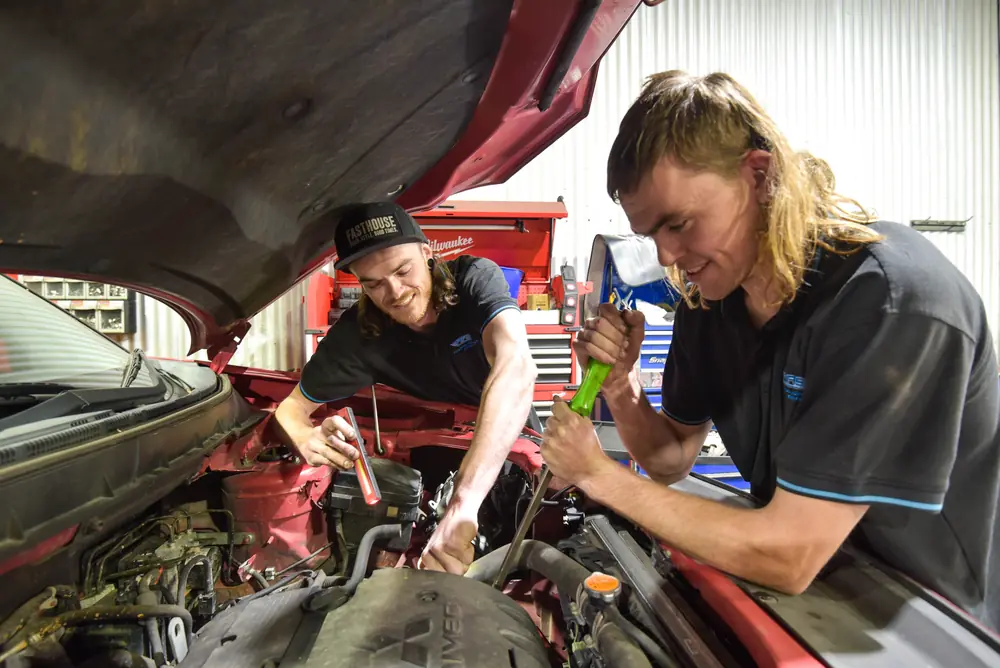
Injectors don't usually fail outright. They gum up gradually, the spray pattern distorts, and the engine starts hesitating, idling roughly and using more fuel than it should. Additives poured into the tank rarely shift deposits at that stage. At Advanced Automotive Services, we remove the injectors, test flow rate and spray pattern individually, then run ultrasonic fuel injector cleaning to strip the deposits back before testing again, so the difference is measured rather than assumed. Injectors that can't be brought back inside specification get replaced rather than refitted. Because similar symptoms can come from elsewhere in the system, we usually start with engine management diagnostics. Call (07) 4033 6418 to book your vehicle into our Cairns workshop.
How the Process Works
Cleaning injectors properly means taking them off the engine and testing them individually.
- Removal and initial testing. Each injector is flow tested and its spray pattern recorded before any cleaning happens. That gives a baseline to compare against.
- Ultrasonic cleaning. The injectors sit in solution while high frequency sound waves break deposits loose from internal surfaces. It reaches places a fuel additive can't.
- Filter baskets and seals. Internal filter baskets are replaced and external seals renewed on refitting. Old seals are a common source of vacuum and fuel leaks afterwards.
- Post-clean testing. Flow and spray pattern are measured again and compared against the original readings. Injectors still outside specification are replaced instead.

Frequently Asked Questions
They can help maintain injectors that are already in reasonable condition. Once deposits have built up enough to distort the spray pattern, additives generally aren't strong enough to reverse it.
Rough idling, hesitation under acceleration, misfires and higher fuel consumption are the common ones. A failed emissions result can also point back to the injectors.
In most cases yes, provided the internal components are still sound. Injectors that fail flow testing after cleaning have usually worn internally and need replacing.